
Why Small Daily Improvements Still Beat Corporate Reinvention Hype
When I woke up after publishing « Other Times, Other Spirits »I started thinking about the layers of complexity we often add in companies.
The Corporate Acronym Nightmare
In that dream, I walked through endless corridors of smoke and mirrors. Frameworks kept changing one after another. OGSD blended into DSD. OKRs turned into V2MOM. Then came Value Streams and Enterprise Alignment. Each new layer felt like untested code. New managers arrived with fresh degrees. They got ninety days to understand a business they had never truly experienced. Yet ego became the real firewall. It blocked any honest look at the systems underneath.

Corporate Frameworks Explained
To make this crystal clear for everyone, here is a simple recap. Most people outside the corporate bubble have no idea what these letters actually mean.
- OGSM (often shortened or remembered as OGSD): Objectives, Goals, Strategies, Measures. It is a classic strategic planning tool that cascades high-level goals throughout the organization.
- DSDM (commonly abbreviated as DSD): Dynamic Systems Development Method. It is one of the first formal agile frameworks from 1994. It focuses on time-boxed, iterative delivery with a strong business focus.
- OKRs Objectives and Key Results. This system was popularized by Google and Intel. It aligns teams around measurable outcomes.
- V2MOM Vision, Values, Methods, Obstacles, Measures. It is Salesforce’s internal framework. It keeps everyone rowing in the same direction.
- Value Streams : This refers to Value Stream Mapping from Lean manufacturing. You visualize the entire flow of work from idea to customer to eliminate waste.
- Enterprise Alignment A broad term that means making sure every part of a large organization works toward the same overall strategy and priorities.
The Hidden Cost in the Trenches
Meanwhile, executives and directors spend countless hours debating, rolling out, and training teams on these ever-changing concepts. Yet the trenches keep bleeding with unresolved problems. And the production line stays stalled. It simply waits for clear answers from above.
Kaizen: The Quiet Power of Daily Improvement
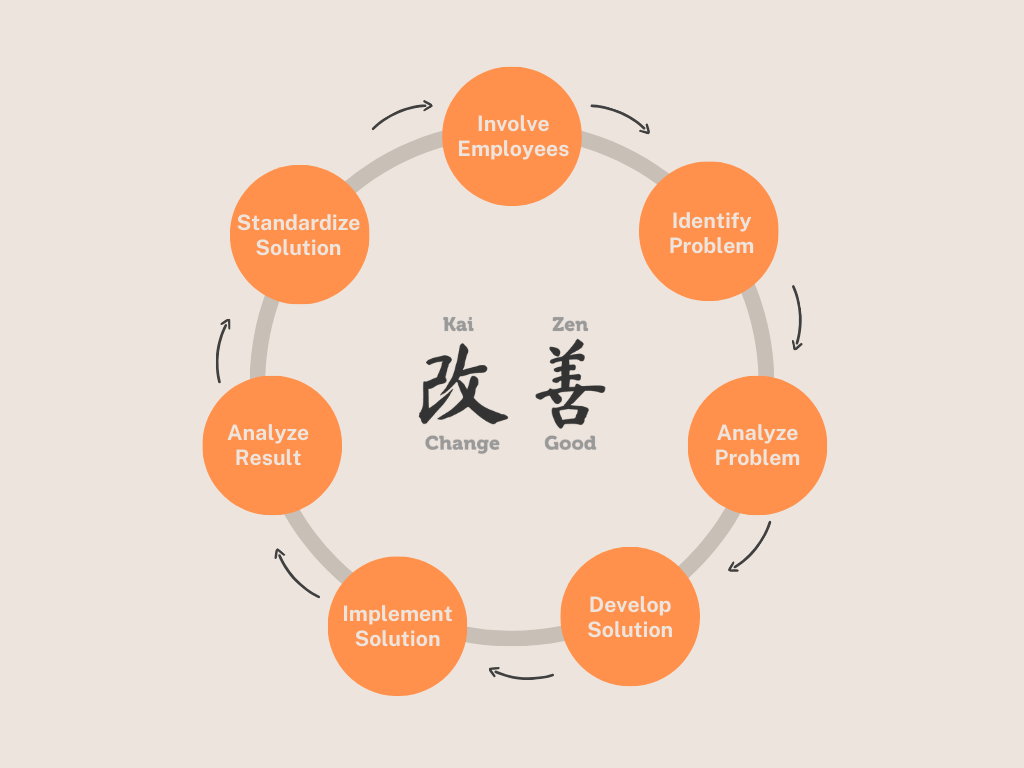
Yet after years leading programs and building products, one truth stands out. Real and lasting innovation almost never comes from flashy reinvention. It does not come from the latest management theater either. It emerges from Kaizen. This is the discipline of small, consistent, daily improvements. They add up and create products and processes that truly last.
Success Stories That Prove It
Companies that embraced this principle have achieved remarkable results. Here are some clear examples:
- Toyota never scrapped the Corolla line for a revolutionary new engine. They focused on shaving seconds off assembly processes. They also halved defects. As a result, they built cars that outlast mortgages. As Taiichi Ohno said: “If you are going to do kaizen continuously… you’ve got to assume that things are a mess. If you assume that things are all right the way they are, you can’t do kaizen. So change something!”
- Honda refined the CB750 one gram at a time. Carburetor jets, valve seals, and countless small tweaks. In this way, they built machines that enthusiasts still celebrate today.

- The North Face, working with YKK, recently launched the first major zipper upgrade in over a century. It is lighter, quieter, more flexible, and tapeless. This single targeted improvement makes high-performance gear last even longer in extreme conditions.


- Apple did not reinvent the iPhone with every release. They started with glass that felt right. Then they improved battery life by a few percent and camera focus by one pixel. These incremental gains are why customers stay loyal year after year.


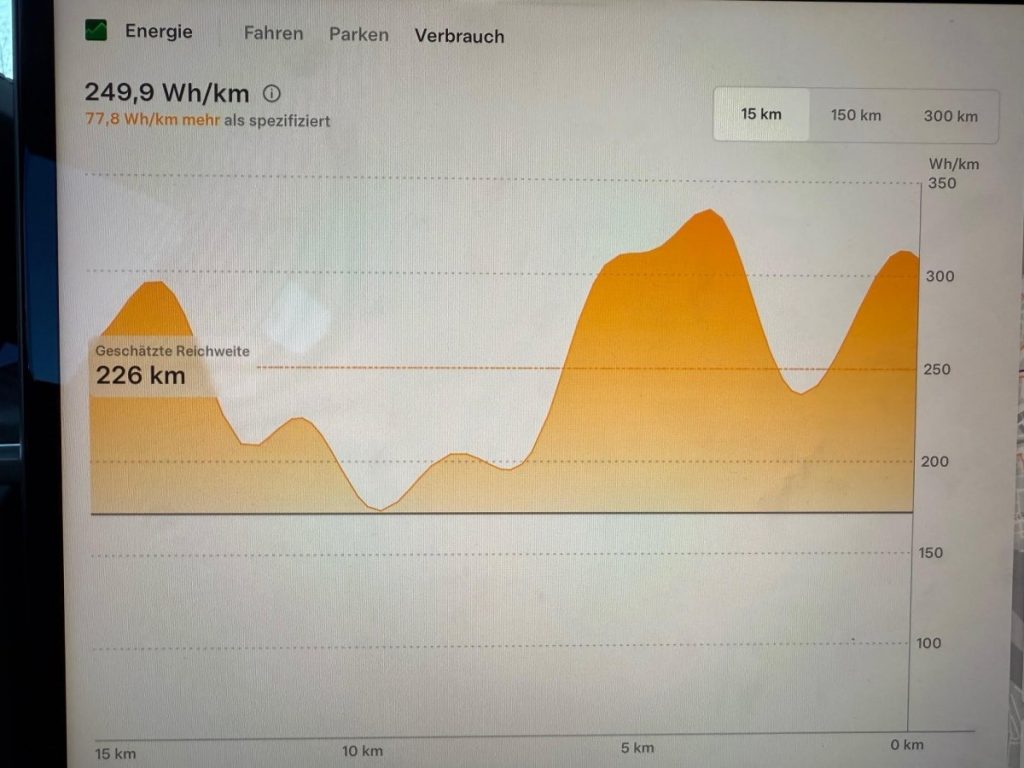
- Tesla ships a car and then keeps improving it. Over-the-air updates add range, new features, and better autonomy. So a five-year-old Model S can feel more capable — and more valuable — than the day it was bought.

Cautionary Tales: Reinvention Without Kaizen
The contrast becomes clear when we look at organizations that chased aggressive reinvention and disruption. They did so without the foundation of disciplined execution.
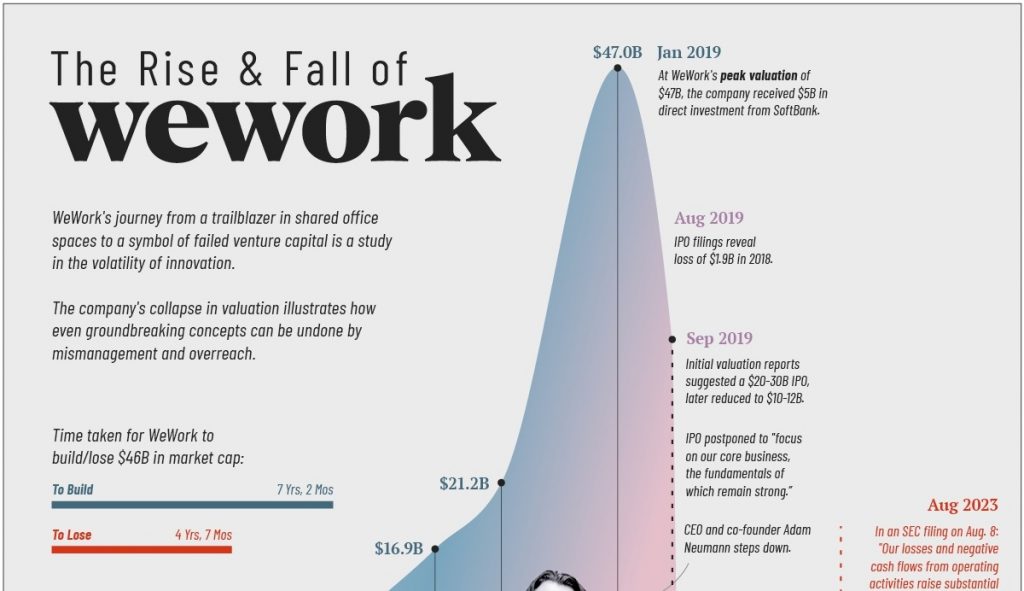
- WeWork promised to revolutionize the entire office experience. Its model was tech-driven and community-focused. Massive capital and visionary branding fueled explosive growth. The valuation reached nearly 47 billion dollars. Yet sustainable economics, operational discipline, and governance were never prioritized. The result: huge losses, a failed IPO, and a spectacular collapse. Hype won over substance.

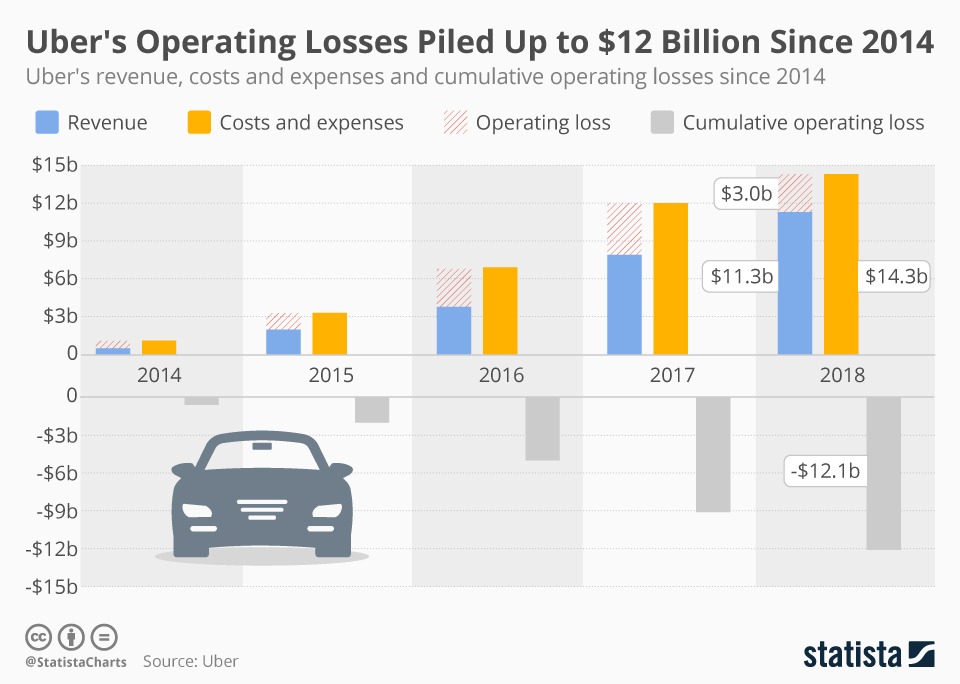
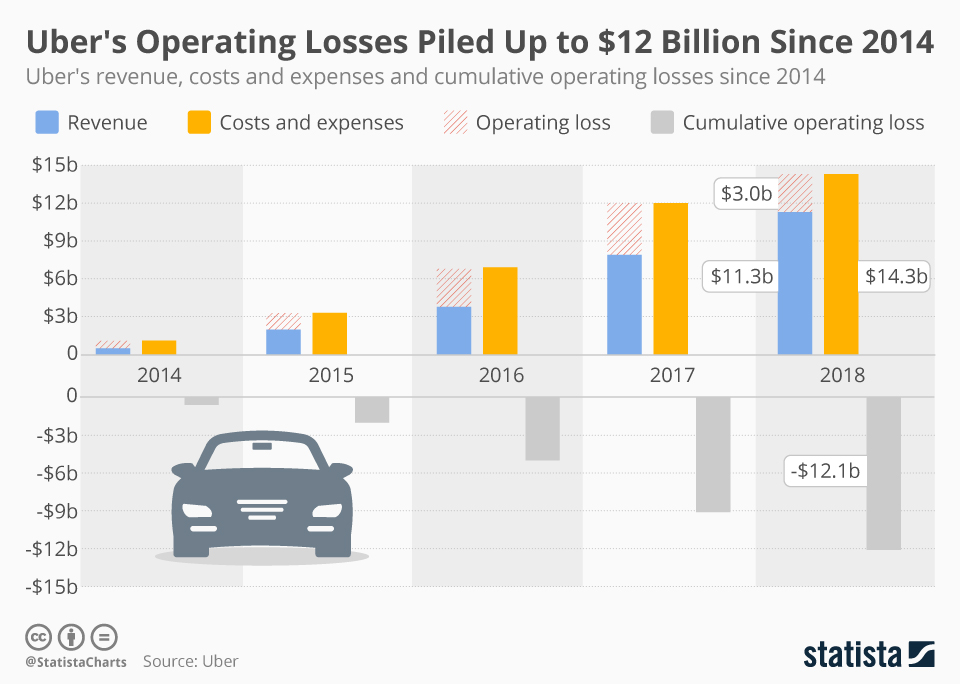
- Uber set out to completely reinvent urban transportation. This ambition created massive scale. But the early years brought enormous losses, regulatory battles, and operational strain. Fortunately, after shifting toward more sustainable execution and incremental improvements, the company stabilized. It then reached consistent profitability.
- Bose, long respected for premium audio innovation, faced similar challenges. It pushed rapid expansion into new consumer electronics and lifestyle products. Without the same relentless focus on small daily refinements that built its reputation, several product lines struggled to gain traction. This led to pivots and cost-cutting measures. These issues could have been avoided with steadier Kaizen-style iteration.

The Pattern Is Clear. Loud theater draws attention. But quiet, relentless Kaizen delivers results that last.
Why This Matters for Program Managers and Leaders
For program managers and leaders working on the ground, this matters deeply. We succeed not by mastering corporate rituals or hierarchical signals. We succeed by focusing on practical execution and measurable progress. A strong vision sets the direction. Real progress comes from daily work: refining systems, removing friction, and making sure products actually work as intended.
Whether the next wave is AI, new frameworks, or emerging technologies, the principle stays the same. Sustainable success belongs to those who iterate relentlessly. It does not belong to those who chase disruption for its own sake.
Let’s Connect
If you are in the trenches — managing programs, leading engineering teams, or optimizing operations — I would love to hear from you. What is one small improvement you made this week that really moved the needle? Leave a comment below. Or reach out if you want to embed stronger continuous-improvement practices in your organization.
At Monad Edge, we help SMEs cut through complexity. We build performance systems that endure. Let’s talk about how Kaizen-inspired approaches can work for your business.